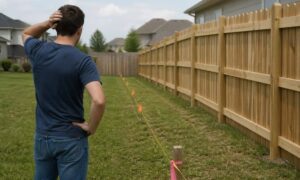
You’re getting ready to build a fence, add a driveway, or buy a property. At some point, you realize you need a local surveyor. That part is easy.
What’s not easy is knowing what to say when you call.
A lot of homeowners pick up the phone too early. They don’t have the right details, so the call drags on. The answers feel vague. Sometimes they need to call back again after finding more information.
That’s avoidable.
A little preparation makes the whole process smoother. You don’t need to be an expert. You just need a few key pieces of information so the conversation actually goes somewhere.
Know the basics of your property first
Start with the simple stuff. Make sure you have your full address ready. Double-check it. Some areas in Oklahoma City have similar street names or nearby lots that look alike on paper.
If you can, find your parcel number. It usually shows up on county tax records. Not everyone has it on hand, and that’s okay. Still, having it makes things faster.
If your home sits in a subdivision, your lot and block number help too. These small details may seem minor, yet they help a local surveyor pull up the correct property without guessing.
Gather any documents you already have
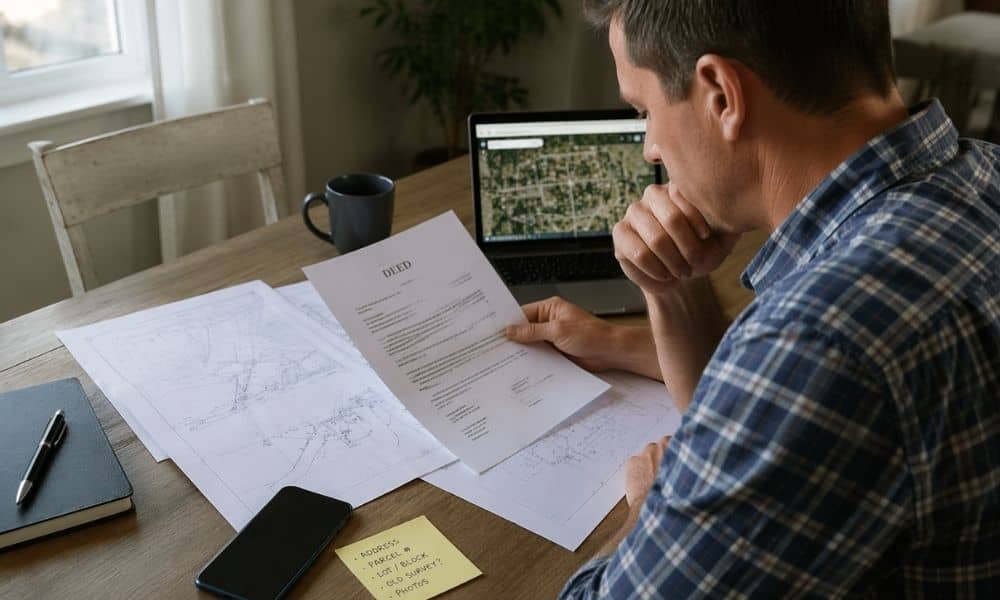
Look around for paperwork tied to your property. You don’t need a full file folder. Even one or two documents help.
Your deed is a good start. Closing papers from when you bought the home can also help. If you have an old survey, keep it ready.
Many people assume old surveys don’t matter anymore. That’s not true. Even if it’s outdated, it still shows how the property was measured before. A local surveyor can compare that with current conditions.
If you don’t have anything, don’t stress. You can still move forward. Still, it’s worth checking before you call.
Be clear about why you’re calling
This part often gets overlooked.
Before you contact a local surveyor, think about your goal. What are you trying to get done?
You might want to build a fence. You might be buying a home. You might want to add a structure or fix a concern with a neighbor.
Each situation leads to a different approach. If you’re not sure what type of survey you need, that’s fine. Still, having a clear reason helps guide the conversation.
Without that, the call can feel confusing on both sides.
Take a quick look at your property layout
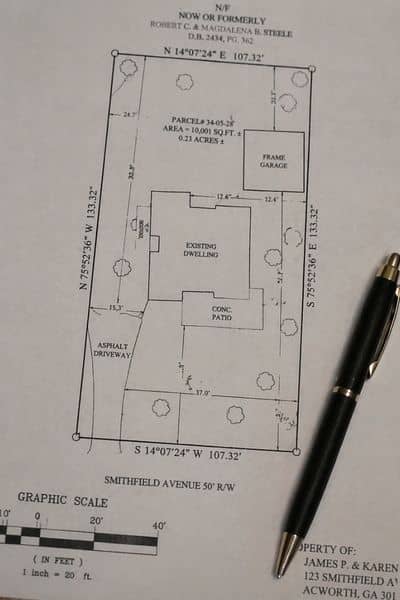
You don’t need software or a detailed plan. Just take a few minutes to look at your property.
A simple sketch helps more than you’d expect. Draw your house, driveway, and any fences. Mark areas where you have questions or plans.
Even a rough drawing gives context. It helps a local surveyor understand your situation before stepping on the site.
You can also walk your lot and take mental notes. Look for anything that stands out, like uneven fence lines or areas where you’re planning work.
Use photos to give a clearer picture
Photos make things easier to explain.
Walk around your yard and take a few clear shots. Focus on corners, fence lines, and areas where something might be off. If you see any old markers or stakes, take a photo of those too.
This helps a local surveyor get a feel for your property early. It also cuts down on guesswork during the first conversation.
You don’t need dozens of photos. A few good ones do the job.
Think about access before the visit
Now consider how someone would move around your property.
Are there locked gates? Do you have pets that need to be secured? Is there thick brush or recent work that blocks certain areas?
These things may seem small, yet they can slow everything down if they come up later. Letting a local surveyor know ahead of time helps avoid delays.
It also makes scheduling easier.
Have a timeline in mind
Timing plays a bigger role than most people expect.
Ask yourself when you need the work done. Is this urgent, or are you planning ahead?
In Oklahoma City, demand can change depending on the time of year and the type of project. Waiting until the last minute can limit your options.
If you reach out early, you have more flexibility. You also give yourself time to adjust if anything unexpected comes up.
Go into the call with a few questions
It’s normal to feel unsure during that first call. That’s why it helps to think of a few questions ahead of time.
You might ask what type of survey fits your situation. You might ask what information you should send after the call. You might ask about timing or factors that affect cost.
These questions keep things clear. They also help you understand the next steps without confusion.
Avoid common assumptions that cause problems
A lot of issues come from simple misunderstandings.
Some homeowners rely too much on online maps. Others assume their fence shows the exact property line. That’s not always the case.
Another common mistake is calling without any details at all. That leads to slow responses and extra steps.
Waiting until a problem shows up can also create stress. It’s always easier to plan ahead than to fix something under pressure.
You don’t need everything to get started
You might be missing some of these items, and that’s okay.
You don’t need perfect records before calling a local surveyor. The goal is to gather what you can so the conversation moves forward.
Even basic information helps.
From there, the surveyor can guide you on what comes next and fill in the gaps along the way.
Start your project with the right information
A short call can turn into a long process if you go in unprepared. On the other hand, a little effort upfront makes everything smoother.
When you gather the right details, you get clearer answers. You save time. You avoid repeat calls and delays.
If you’re planning any work, reaching out to a local surveyor early helps you stay on track. Just make sure you have a few key things ready before you make that call.