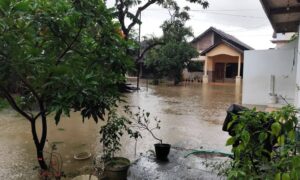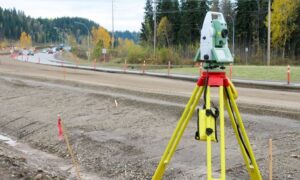
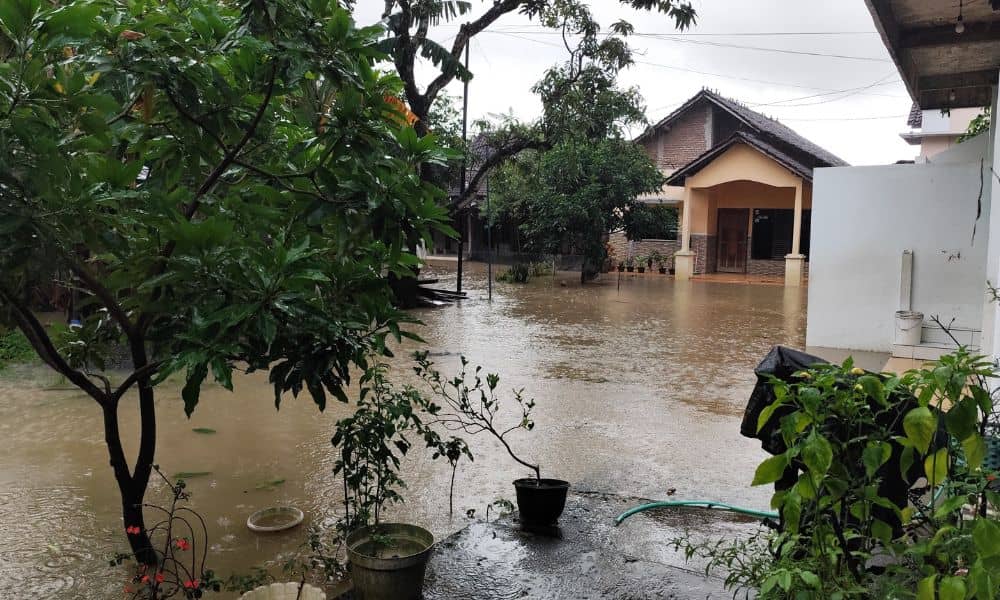
Storms move through Oklahoma City every year. Sometimes they bring heavy rain, strong winds, and flash flooding. After a big storm passes, many property owners walk outside and notice something strange. Water sits in the yard. Soil washes away from a slope. A driveway floods. In some cases, water even reaches a home’s foundation. At first, these problems seem sudden. However, storms usually only reveal issues that were already there. The real cause often lies in the shape of the land. When rain falls fast, water follows the lowest points on a property. Because of this, understanding the elevation of land becomes very important. That is where a topographic survey can make a big difference. Many property owners first discover this when they start looking into our land surveying services to better understand how water moves across their property.
Storms Show the Hidden Shape of the Land
Heavy rain does something simple. It shows where water naturally wants to go. When rain falls across a property, it flows downhill. If the land has dips, slopes, or low spots, water gathers there.
Sometimes these areas sit far from the house. Other times they sit close to driveways, patios, or foundations. In many cases, property owners never notice the problem during dry weather. Yet once a storm hits, the issue becomes clear.
For example, a small dip in the yard may turn into a pond during a storm. Likewise, a slope behind a house may send water rushing toward the structure. Even worse, water may flow across property lines and cause problems for neighbors.
Because of this, storms often reveal the natural movement of water across the land. When owners review a topographic survey of your property, these patterns become much easier to see before the next storm arrives.
Oklahoma City Rain Can Be Intense
Oklahoma City often experiences fast and powerful rainstorms. Weather systems can move across the region quickly. As a result, large amounts of rain may fall within a short time.
Because of this, water does not always soak into the ground right away. Instead, it runs across the surface. Clay-heavy soils around Oklahoma City can make this situation worse. Clay holds water longer, so rainwater may sit on the surface or move slowly across the land.
At the same time, the city continues to grow. New homes, roads, and buildings appear across the metro area every year. Construction changes the shape of the land. Grading may shift slopes or redirect runoff.
When those changes happen without careful planning, stormwater may follow unexpected paths. That is why elevation information plays such an important role in site planning.
Why Elevation Matters for Construction
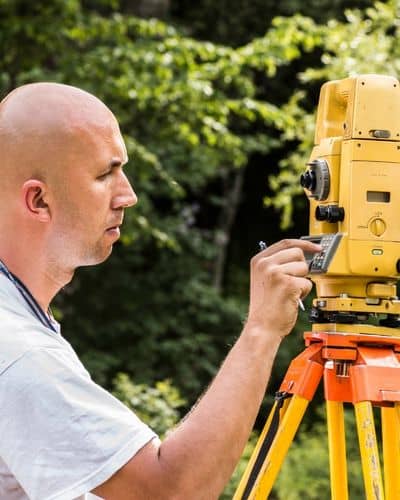
Every property has high points and low points. Some slopes are gentle. Others drop more quickly. During dry weather, these details may not seem important. Yet during a storm, elevation controls how water moves.
Engineers and builders rely on accurate elevation data when planning a project. That information helps them design safe and stable sites. A topographic survey provides the measurements needed to understand the land.
For example, elevation data helps determine where a building should sit on a lot. Builders often place structures on slightly higher ground. This position allows water to flow away from the foundation.
In addition, designers use elevation information when creating grading plans. These plans guide how soil will be shaped across the site. Proper grading directs water toward safe drainage paths instead of toward structures.
Because of this planning, water can move across the land without causing damage.
Drainage Design Starts With the Land
Drainage systems work best when they follow the natural shape of the land. However, builders first need accurate information about that shape. Without it, drainage systems may fail.
For example, a parking lot may appear flat. Yet a slight slope may cause water to gather along one edge. If designers miss that detail, the lot may flood during heavy rain.
Likewise, a new subdivision may change the natural flow of water. Homes, driveways, and sidewalks add hard surfaces that push water away faster. If planners do not account for that change, runoff may move toward nearby properties.
A topographic survey allows engineers to see these elevation patterns clearly. With that information, they can guide water toward safe drainage areas. As a result, the property handles storms more effectively.
When Storms Reveal Planning Problems
After a major storm, many property owners notice problems they never expected. For instance, a yard may flood even though it looked level before. A driveway may collect water after heavy rain. In other cases, soil may wash away from a hillside.
Sometimes the problem appears in new developments. A recently built home may experience drainage issues during its first storm. This situation surprises many owners because everything looked fine during construction.
However, the storm simply exposes how water flows across the land. When planners miss small elevation differences, those differences can create large problems later.
Because of this, careful elevation planning helps prevent costly surprises.
Fixing Drainage Later Costs More
Once construction finishes, correcting drainage issues becomes much harder. Crews may need to move large amounts of soil. In some cases, contractors must install drainage channels or pipes to redirect water.
These solutions often require additional excavation, equipment, and labor. As a result, the costs increase quickly.
Foundation moisture can also create long-term problems. Water near a structure may weaken soil around the foundation. Over time, that moisture can lead to cracks or structural concerns.
Furthermore, drainage problems may cause disputes between neighbors. If water flows from one property onto another, owners may disagree about responsibility.
For these reasons, solving drainage concerns before construction begins often saves both time and money.
Situations Where Elevation Data Helps Property Owners
Many property owners benefit from understanding the shape of their land. For example, people planning new homes often review elevation data before construction begins. This step helps builders choose the best location for the structure.
Developers also rely on elevation information when planning neighborhoods. Roads, sidewalks, and drainage systems must work together to manage stormwater.
Land buyers can also gain useful insight from a topographic survey. Elevation data may reveal slopes, drainage paths, or low areas that affect future building plans.
Even existing homeowners may use elevation information when addressing yard drainage problems. Understanding the land can guide improvements that direct water away from the home.
Storms Pass, But Land Shapes Stay
Storms come and go across Oklahoma City. Some storms bring only light rain. Others bring heavy downpours that test the land.
However, the shape of the land remains the same until someone changes it through grading or construction. Because of this, understanding elevation becomes one of the most important steps in protecting property.
A topographic survey provides the information needed to see how water moves across a site. With that knowledge, builders, engineers, and property owners can make smarter decisions.
As a result, the next storm becomes less of a surprise. Instead of revealing hidden problems, the rain simply follows the drainage paths that careful planning created.