
If you’ve never worried about your deed, you’re not alone. Most homeowners assume that once their name sits on the paperwork, everything stays secure. However, a global story proves that ownership gets complicated when records don’t match the land. That’s why a property line survey matters more than people realize. Recently, Bangladesh announced a nationwide digital land crackdown, and the lessons from that move hit close to home—even if we live thousands of miles away.
In Bangladesh, the government launched a massive digital land survey to clean up decades of confusing records, forged deeds, and unregistered property transfers. Their goal sounds simple: line up official maps with the land people claim to own. Yet the results shocked the country. Officials said they would cancel deeds in 2026 if they don’t match the new digital survey. The news spread fast because the idea feels extreme. Imagine learning that your deed no longer counts because the new map shows something different.
That fear grabs attention, but it also raises a useful question for us in Oklahoma City: How strong is your deed if your records don’t match reality?
Although the United States won’t erase deeds the way Bangladesh plans to, the bigger message still applies. Ownership sits on two things: clear records and accurate boundaries. When those two match, everything stays simple. When they don’t, problems start during closings, refinancing, building projects, and even family settlements. That’s why this global crackdown offers a lesson worth taking seriously.
Why Records Matter More Than Most People Think

Every homeowner trusts the county clerk’s office to keep their deed on file. That document names the owner and includes the legal description of the property. However, many people don’t realize that land descriptions can be outdated, handwritten, vague, or even copied forward with errors. Over time, that creates a gap between what the deed says and what the land survey shows on the ground.
This happens for many reasons. Sometimes a property passed through several family members without an updated survey. Other times a seller relied on documents that no longer match modern mapping. In older neighborhoods, descriptions written decades ago might not line up with today’s clear digital records. And when someone bought land without ordering a fresh survey, mistakes traveled with the deed for years.
A mismatch doesn’t cancel ownership, but it can create delays, conflicts, or unexpected costs. The Bangladesh situation simply highlights how messy land records can get and how much pain that causes when a government decides to enforce accuracy. Here in Oklahoma City, enforcing accuracy falls on homeowners, lenders, and title companies. A property line survey gives everyone the information they need to stay on the safe side.
How a Property Line Survey Protects You
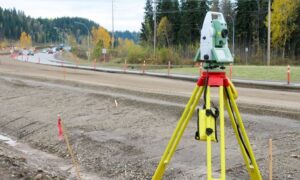
A property line survey gives you a clear and updated picture of your land. It checks your boundaries, compares them with official records, and shows you if anything looks off. When a surveyor marks corners, measures distances, and checks nearby documents, they make sure your lot matches your deed.
This survey protects you in several ways. First, it keeps ownership simple during a home sale. Buyers want confidence that the property they’re purchasing matches what the seller claims. If your deed describes one shape, but the survey reveals something different, the sale slows down fast. Correcting the description before listing your home avoids those headaches.
Next, a property line survey helps when you plan a project. Many homeowners build fences, add garages, split lots, or plan to sell a portion of their land. Each of those steps needs accurate boundaries. If your survey and deed disagree, your project stalls until the records match.
Finally, this survey helps when dealing with family land. In many cases, parents divide property among children without a formal survey. After a few years, the boundaries become unclear. Siblings may disagree on where one parcel ends and another begins. Settling those questions starts with a fresh survey. Once everyone sees the true layout, they can update the legal descriptions and avoid deeper conflict.
What Homeowners Can Learn From Bangladesh
While Bangladesh faces forged deeds and political land grabs, the heart of their issue still applies to us: clean records protect owners. That country discovered that outdated descriptions, handwritten notes, and unrecorded transfers created chaos when they moved to digital maps. Officials needed accurate surveys to fix the mess.
In the United States, we already use modern mapping systems, but errors still happen. Here, the risk doesn’t come from government cancellations. Instead, it shows up in more familiar ways:
- sales fall through because descriptions don’t match
- lenders reject paperwork until a survey clears confusion
- neighbors argue over unclear boundaries
- inherited land splits turn into long disputes
- county records and on-site boundaries don’t line up
Bangladesh simply reminds us what happens when inaccurate records pile up over time. Their situation teaches us to fix problems early, while the cost and stress stay low.
When You Should Consider Getting a Survey
Many homeowners don’t think about ordering a survey unless a bank requires it. But waiting until the last minute turns small issues into big delays. You should consider a property line survey when you inherit land, plan a sale, buy rural property, or question the accuracy of an old description. You should also think about getting one before you divide land for your kids, adjust a driveway, or prepare a lot for development.
A survey at the right time keeps your deed clean, avoids disputes, and brings your records up to modern standards. Most importantly, it gives you peace of mind. You know exactly what you own, where your boundaries sit, and how future projects will fit.
The Future of Land Records
As counties modernize, digital maps become more precise than ever. That shift means mistakes show up faster, and outdated descriptions stand out more clearly. Bangladesh may seem far away, but the push toward better land records is happening everywhere. In the coming years, accuracy will matter even more, and surveys will play a bigger role in protecting owners.
A property line survey helps you stay ahead of that trend. It keeps your deed aligned with today’s mapping systems and sets up smoother transactions in the future. Instead of waiting for a lender, neighbor, or title officer to point out an issue, you take control early.
Final Thoughts
The global news from Bangladesh caught attention because it showed how powerful a modern land survey can be. While Oklahoma City will not see canceled deeds, the message still applies: accurate records protect your rights. Your deed only stays strong when it matches the land itself. Property line surveys help make sure that happens.
If you want confidence in your ownership, clear boundaries, and fewer surprises during future projects, consider getting one. In a world moving toward digital accuracy, knowing exactly where your property begins and ends gives you the certainty every homeowner deserves.