Oklahoma’s commercial corridors are growing fast. This brings chances to build. It also gets complicated. Before you buy land, know what you own. Know what rules apply to your property. An ALTA land survey is your map. It shows who can use your land. It shows where utilities run. It shows reserved land for future roads. These details matter. They change your budget. They change your timeline.
Developers skip this step and get surprised. They find blocked access. They find unexpected easements. They discover utility problems. This guide shows you what to look for in your ALTA land survey.
Reviewing Existing and Proposed Access Points Along Expanding Commercial Corridors
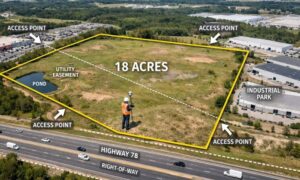
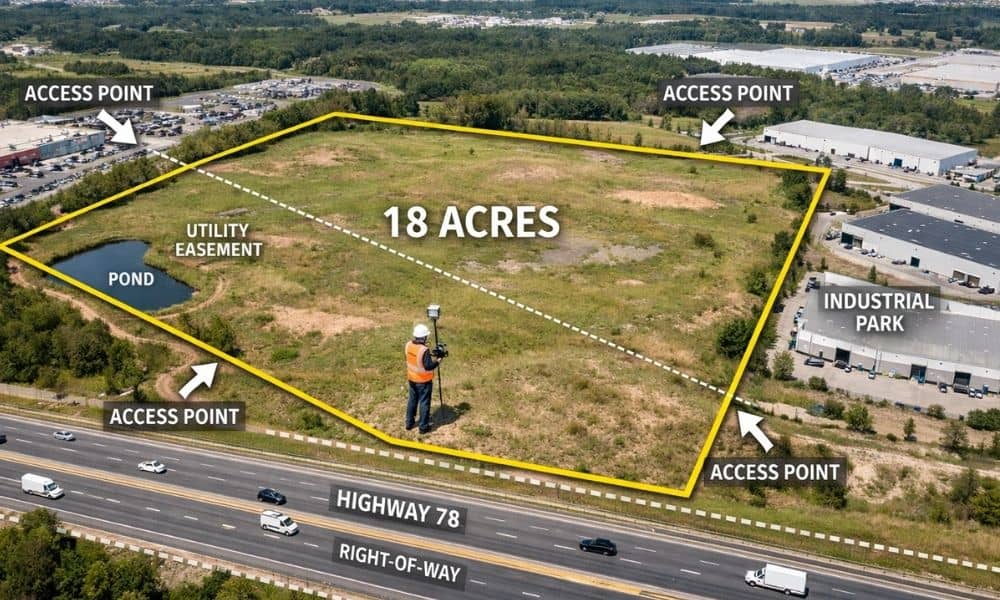
Access matters most. No one can reach your building if there is no good way in. Check access first in your ALTA land survey. The ALTA land survey shows how people can enter and leave your property. It shows shared driveways. It shows private roads. It shows utility roads.
Near growing roads, access gets tricky. Oklahoma is building new roads. The Turnpike Authority is expanding roads in central Oklahoma. Your access now may not be your access later. Always compare your ALTA land survey to county plans.
What to check in your ALTA land survey:
- Who takes care of the driveway?
- Can your neighbor block your way in?
- Does anyone else have the right to cross your land?
- Will new roads change how you get in?
- Are new roads being built near you?
Call your county about future roads. They may not show up in your ALTA land survey yet. Check early.
Identifying Temporary Easements Related to Transportation Improvements
Temporary easements are easy to miss. Do not miss them. When building new roads, the government needs space. They need room for equipment and staging areas. Your ALTA land survey shows these temporary easements. They can last a few months or several years.
Why this matters:
- You cannot use part of your land while they build
- You have less room to work
- Temporary utilities cross your property
- There is dust, noise, and traffic
Projects near Oklahoma City and Tulsa take many years. An easement that “expires 2028” could block parking. It could block your building entrance. Read your ALTA land survey carefully to see when you get full control back.
Check the survey for: When does the easement start and end? Who can use it? What can they do on it? Can you get paid for the disruption? Call the ALTA land survey company if the dates are not clear. Some developers lower the purchase price. You can negotiate based on what you find.
Evaluating Utility Corridor Reservations Before Development Begins
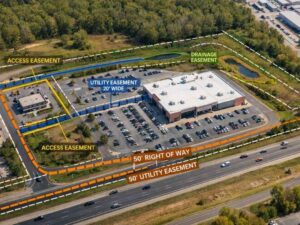
Utilities are everywhere. They are carefully protected. Your ALTA land survey shows electric lines. It shows gas pipes. It shows water and sewer lines. You need to know where these are before you design your building.
An easement means a company has the right to use part of your land. They own the rights below or above the ground. You own the top part. They own the utilities.
How utilities limit what you can build:
- No buildings over power lines
- Parking cannot block access
- Plants cannot grow over pipes
- Height limits near overhead lines
- Future work may need temporary access
In Oklahoma, utilities often run together. Two or three utilities in the same space. This makes your usable land smaller. A 2-acre lot might only give you 1.5 acres to build on. Put your ALTA land survey on top of your building plans early. Call the utility companies to confirm sizes. Building where you should not will be caught. Late changes cost a lot of money.
Understanding Right-of-Way Reservations That May Affect Buildable Land
Right-of-way means the government saves land for future roads. Counties and the Turnpike Authority reserve parts of your land. They may need it for wider roads, turn lanes, or new roads. Your ALTA land survey shows this reserved land.
Key difference: An easement lets someone work on your land. A right-of-way means the government can take your land later.
If your property has 30 feet reserved, the government may take that land. You must plan your building setbacks carefully. Many developers think they own all the land. Then permits show a 40-foot reserved area between the building and the street. An ALTA land survey catches this before you buy.
In Oklahoma, many properties have government reserves near commercial corridors. The Sooner expansion projects added reserves to hundreds of properties. Know what you are buying.
Action steps: Use your ALTA land survey to measure impact on your site. Check county plans for 10-year projects. Budget for possible land loss. Work with a lawyer if your ALTA land survey is unclear.
Checking for Shared Access and Cross-Access Agreements With Neighboring Properties
Neighbors often share driveways and parking. Properties near growth corridors do not sit alone. Developers let each other use shared roads, parking, and utility lines. These agreements help costs and traffic flow.
Your ALTA land survey shows these agreements. Read them carefully before you buy.
Benefits: Customers have more parking. Delivery trucks have options. Utilities serve multiple people. Building costs go down.
Risks: You cannot control your neighbor’s traffic. Repair costs are shared. If a neighbor fails, traffic moves to your lot. Agreements can end.
In Oklahoma retail areas, shopping centers and office parks share parking and roads. Bad maintenance causes fights. Your ALTA land survey should show who must pay for upkeep. Some agreements have problems. For example: “If the neighbor becomes single-family housing, the agreement ends.” This happens.
Before closing: Ask current users about shared costs. Look at three years of repair records. Make sure the agreement binds new owners. Know what you will pay.
Don’t Overlook the Details
Get an ALTA land survey. It protects your investment. It protects your schedule. Your ALTA land survey review should check access points. It should find temporary easements. It should spot utility reserves and road reserves. It should explain neighbor agreements. Do all this before you pay.
One missed easement shrinks usable land. One forgotten temporary easement delays work by months. One misunderstood road reserve forces expensive changes. These happen to real developers.
An ALTA land survey costs $2,000 to $10,000. Late changes cost $50,000 to $500,000. Your ALTA land survey is cheap insurance.
Start with the survey. Read it all. Ask questions. Call utility companies. Call the county. Talk to neighbors. Your ALTA land survey tells you exactly what you are buying. It shows what limits come with that land. Use it right, and you avoid expensive surprises.
Frequently Asked Questions
How much does an ALTA land survey cost?
It usually costs $2,000 to $5,000. If your land is complex with many easements, it can cost $7,000 to $10,000. Think of it as insurance against bigger problems.
Can I build on a utility easement?
No. The utility company has the right to work there. Building there breaks the agreement. Your building can be torn down.
What is the difference between an easement and a right-of-way?
An easement lets someone do work on your land. A right-of-way reserves your land for future public roads. Right-of-way is stricter.
Do cross-access agreements survive a property sale?
Yes. New owners must follow them. Check the details before you buy.
Can temporary construction easements be denied?
No. Once given, you cannot deny access. But you can ask for payment for the disruption.