
Drone surveying is getting a lot of attention in Oklahoma City this week, and it’s not just because builders enjoy new tech. A big update in the mapping world—one that affects satellites, LiDAR, and digital tools—has pushed many developers to take a fresh look at how they study land. The news may sound technical, but the impact is simple: more OKC projects are choosing drone surveying because the tech behind it just made a major jump forward.
Earlier this week, national mapping groups shared a breakthrough in navigation technology. Teams working on magnetic navigation and better GNSS signal tracking announced upgrades that caught the eye of surveyors everywhere. These tools help drones lock onto their location with stronger accuracy, even in areas where signals often weaken. Since surveying depends on clear and steady data, even a small upgrade can change everything.
Many developers already use digital tools for planning. Because of that, they quickly noticed how this tech shift fits their needs. With these upgrades, drone surveying is now more reliable than ever, and it supports early planning, engineering, and site checks in a way old methods can’t match.
A Big Week for Mapping Technology

This week’s news focused on something most people never think about: how drones know exactly where they are while mapping the ground. One major update came from researchers working on magnetic navigation, which uses the Earth’s magnetic field to guide drones. When paired with better GNSS systems, drones can track their positions more strongly and with fewer drops.
Why does this matter for OKC?
Because the city has many places where signals bounce or weaken. Large open fields, new neighborhoods, and busy industrial zones all need steady, accurate measurements. When drones gather data with stronger connection, developers can trust the results more.
LiDAR and 3D mapping also benefit from this upgrade. Surveyors often use drones with LiDAR to capture slopes, hills, and changes in the land. With this week’s update, LiDAR maps now match engineering designs even better. When your maps match the real world, planning becomes easier and less risky.
Why Oklahoma City Is Moving to Drone Surveying Faster
Oklahoma City continues to grow. New projects appear all over the metro, and many developers need land information that keeps up with their schedule. With this week’s tech jump, drone surveying now fits OKC’s fast pace better than older methods.
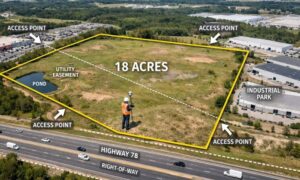
First, stronger accuracy helps teams study large sites on the city’s edges. These areas often have rough terrain or thick trees. Drone surveying handles these places well, and the new upgrades make the results even clearer.
Second, OKC builders face tight timelines. Weather, supply delays, and zoning rules create pressure. Better drone data means developers can trust the results sooner and keep moving forward.
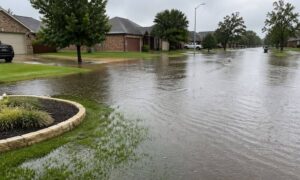
Third, early planning becomes easier. Before design begins, teams need to know how water flows, where high and low spots are, and whether the land might cause problems later. Drone surveying now gives better answers with less risk.
These improvements come from new technology—not from the usual speed or cost benefits. That makes drone surveying a forward-looking tool for the whole city.
A New Competitive Edge for Surveyors
Surveyors see this week’s news as a chance to offer better results. They know clients expect accurate digital data that works with today’s design software. While fieldwork is still important for legal boundaries, drones now take the lead on large-area mapping.
With this week’s improvements, surveyors can:
- Create better elevation maps
- Produce cleaner 3D models
- Match drone data to ground points faster
- Deliver files that fit engineering programs
These upgrades help surveyors stand out. They also help clients make smarter choices with less stress. It’s not about replacing field crews—it’s about giving skilled surveyors tools that make their work stronger.
How New Tech Works With Oklahoma’s PLSS System
Even with this high-tech shift, Oklahoma still uses the Public Land Survey System (PLSS). Section lines, corners, and monuments define legal land descriptions. Drone data must match these points, or the results won’t meet state rules.
This is why surveyors remain essential. They blend drone data with PLSS control on the ground. The new mapping tech makes this process smoother, since drone maps now line up better with real-world markers. The final results become both accurate and legal.
For developers, this means they get fast, modern results backed by real survey knowledge.
How This Tech Shift Affects Projects Across OKC
This new mapping update will change a wide range of Oklahoma City projects.
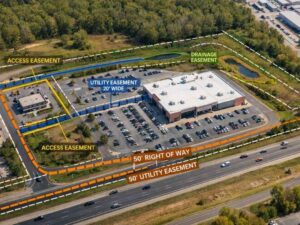
Large industrial sites can get better elevation models without long field visits. Projects near rivers or drainage paths can use stronger slope data for stormwater planning. Urban infill sites can use detailed drone maps to understand tight areas before work begins.
Even environmental reviews benefit. Clearer terrain models help teams predict how water moves, where erosion may happen, and how weather could affect the land.
Every early step in planning becomes clearer and easier to trust.
Questions Developers Should Ask Now
After this week’s news, developers may want to ask their surveyor a few updated questions:
- “Are you using the new GNSS-supported drones?”
- “Can your drone maps connect with PLSS control?”
- “Do your files work with our engineering software?”
- “Do you use magnetic navigation or AI tools to check accuracy?”
These questions help developers choose surveyors who are ready for the next era of mapping.
A New Era for Drone Surveying
This week’s geospatial updates show where surveying is headed. Stronger navigation, better mapping tools, and smarter software all point to one thing: drone surveying is entering a new era. Developers who follow this shift will make faster, safer, and more informed decisions.
As OKC continues to grow, projects that use this improved technology will move forward with greater confidence. Drone surveying is no longer just a modern choice—it is becoming a core part of how it builds its future.