Buying commercial property is a major decision. Before anything gets signed, you need to know exactly what comes with the land, including any easements attached to it. An ALTA survey is one of the best tools for getting that information. It gives buyers, lenders, and attorneys a clear and verified look at the property before the deal closes, so nothing important gets overlooked.
Why Easements Are a Critical Risk in Commercial Property Deals
An easement is a legal right that lets someone else use part of your property for a specific reason. Even after you buy the land, that right stays in place. The new owner takes it on, whether they knew about it or not.
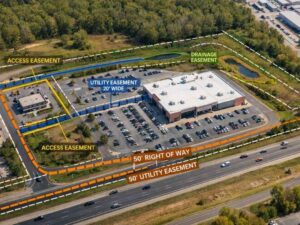
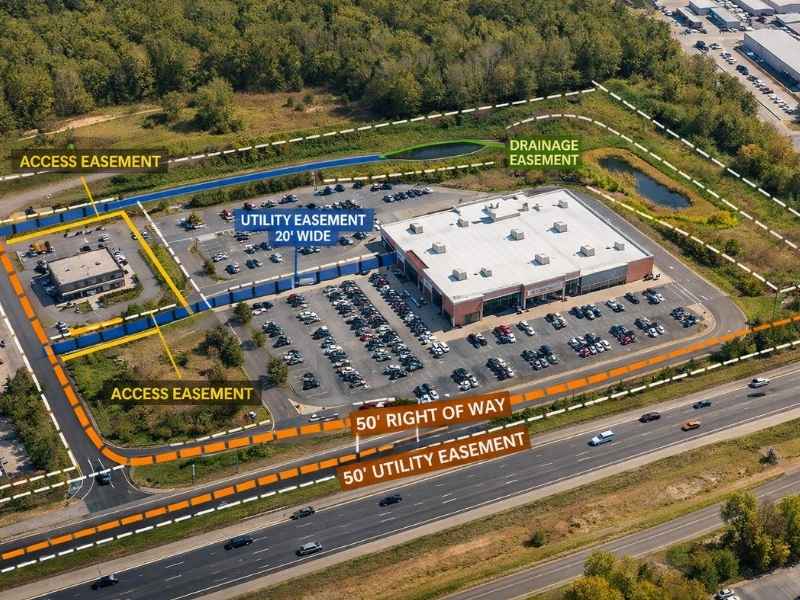
Here are the most common types of easements in commercial real estate:
- Utility easements let power, gas, or water companies access underground lines or overhead equipment
- Access easements give a neighboring property the right to cross your land
- Drainage easements set aside space for stormwater or irrigation
- Right-of-way easements reserve land for roads, sidewalks, or other public uses
Each type has real consequences. You cannot build over a utility easement. You cannot legally block an access easement. If a drainage easement cuts through the center of your lot, your entire site plan may need to change. Because these limits transfer with the land at closing, finding them early is not optional. It is necessary.
How an ALTA Survey Reveals Recorded and Unrecorded Easements
A standard boundary survey shows where your property lines are. An ALTA/NSPS Land Title Survey does much more than that. It is the recognized standard for commercial due diligence, and it works in two steps.
First, the surveyor reviews public records, including deeds, plats, and filed documents, to find any easements that exist on paper. Then they go out to the property and inspect it in person. That second step is important because not every easement gets recorded properly. A neighbor may have been crossing the land for years. A utility company may have installed a line without ever filing the right paperwork.
By combining records research with a site visit, an ALTA survey can find:
- Recorded easements from deeds and official plats
- Visible signs of use, like worn paths, fence lines, or overhead utility lines
- Physical conditions that point to easements that were never formally recorded
That combination is what sets an ALTA survey apart from a basic property survey. It captures both what the documents say and what the land itself shows.
The Role of Title Commitments and Table A Items in Easement Detection
The title commitment is a key document in any commercial closing. Schedule B-II of that commitment lists all recorded exceptions to title coverage. Easements show up here often. Surveyors use Schedule B-II to compare what the title company found with what they see during fieldwork. This helps confirm where easements are located and flags anything that does not match.
Buyers can also request optional additions through the ALTA Table A. These extras allow for a more detailed survey based on the property type and how the buyer plans to use it. For example, Table A Item 19 asks the surveyor to show utility locations. Item 6 covers zoning setback lines. Item 11 deals with wetlands and flood zones.
In Oklahoma, attorneys and buyers often customize their Table A selections during the due diligence period. That flexibility lets the survey address the specific concerns of each transaction, whether it involves a retail center, an office building, or an industrial site.
How Easement Conflicts Can Affect Financing, Insurance, and Development Plans

Finding an easement does not always mean the deal will fall through. However, it does mean everyone involved needs to understand what that easement limits before moving forward. The effects of a missed or misread easement can reach into several areas of the transaction.
For lenders, most commercial loans require an ALTA survey before approval. If an easement takes away a large portion of usable land, the lender may lower the loan amount, ask for more documentation, or choose not to proceed.
For title insurance, some easements may be left out of coverage entirely. That puts the buyer at risk if a dispute comes up after closing.
For construction, if a planned building overlaps with an easement, the project needs a redesign. Depending on the situation, that can push the timeline back by weeks or months and add costs that were not in the original budget.
For zoning, easements can interact with local land use rules in ways that limit setbacks, parking layouts, or building heights. These issues are not always easy to catch during a quick title review, but they tend to show up clearly on a survey.
Finding these problems before closing gives buyers time to renegotiate, adjust their plans, or walk away while they still have a choice.
Why Buyers Rely on ALTA Surveys During Oklahoma Commercial Due Diligence
Oklahoma’s commercial real estate market has its own set of land record challenges. Historic oil and gas rights, agricultural easements, and county road dedications are common throughout the state. These issues come up in deals across Oklahoma City, Tulsa, and smaller communities alike.
Because of that complexity, ALTA surveys have become a standard part of commercial closings in Oklahoma. Real estate attorneys include them as a routine due diligence item. Lenders expect them as part of the loan file. Investors use them to confirm that the property matches what the listing and title documents describe.
The 2021 ALTA/NSPS Minimum Standard Detail Requirements set the rules for how these surveys are prepared. That standard ensures a consistent and thorough process no matter who completes the work. It also means that all parties, including buyers, attorneys, lenders, and title companies, are working from the same reliable document when making decisions.
When everyone at the closing table works from the same verified land data, the transaction moves forward on solid ground.