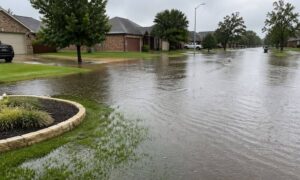
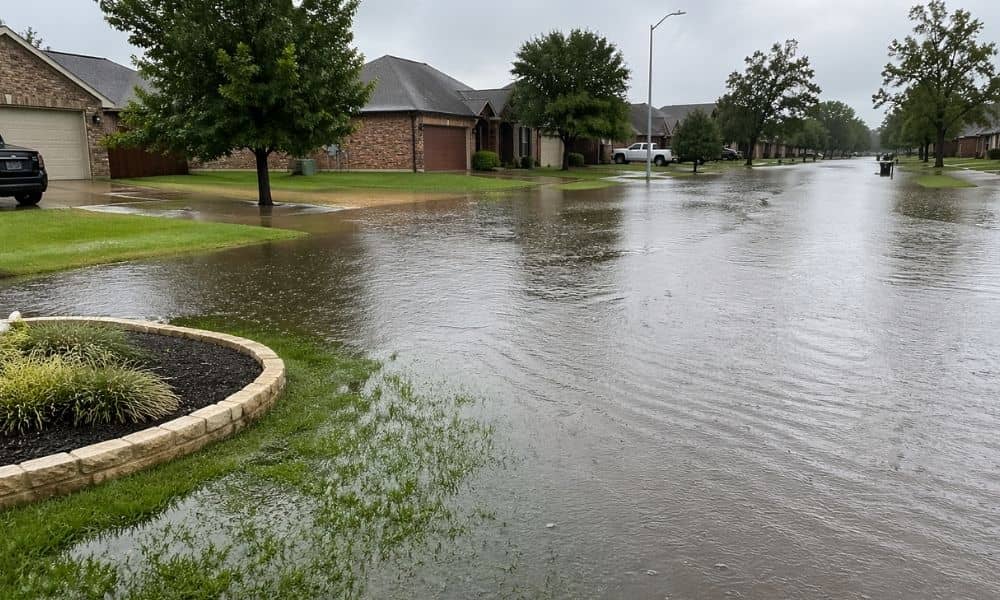
Severe storms rolled through Oklahoma City and left more than just wet ground behind. Streets flooded, yards stayed soaked, and water moved in ways people had not seen before.
Even homes that stayed dry did not feel untouched. You might have noticed water sitting in new spots or running closer to your house than usual. That alone can make you pause.
At some point, you start to wonder if you should check your elevation certificate, or if nothing really changed at all.
That question does not come up on a normal day. It shows up after something changes, and storms tend to be that trigger.
Why your property can feel different after one storm
Your home did not suddenly drop in height. That part stays the same. Still, the land around it can shift more than people expect.
Heavy rain pushes soil around. It fills low areas and cuts new paths through your yard. Water follows the easiest route, and after a strong storm, that route can change.
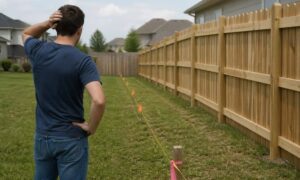
You might see water moving toward your house instead of away from it. You might notice soft ground where it used to stay firm. These changes do not always look dramatic, but they matter.
Over time, even small shifts can affect how your property handles water.
The moment when doubt starts to creep in
A lot of homeowners in Oklahoma City find themselves in a strange spot after a storm. Nothing inside the home is damaged, yet something still feels off.
Maybe your neighbor had water in their garage while you stayed dry. Maybe the water line came closer than it ever has before. You start to wonder if you just got lucky.
That kind of uncertainty is hard to ignore. It sits in the back of your mind, especially if you plan to sell or make changes to your property.
This is where an elevation certificate becomes useful. It gives you real numbers instead of guesses.
When updating your elevation certificate starts to make sense
There is no rule that says you must update it after every storm. At the same time, certain situations make it worth a closer look.
If water reached parts of your yard it never touched before, that is a sign something changed. If drainage looks different or water stays longer than it used to, that also matters.
Plans to sell your home can push this decision forward. Buyers tend to ask more questions after big storms, and clear answers help keep things simple.
Sometimes the push comes from outside. A lender or inspector may ask for updated information, especially if recent weather raised concerns about flood risk.
None of these situations mean you are in trouble. They just mean it is smart to check instead of guess.
What an elevation certificate actually helps you confirm
An elevation certificate shows how your home sits compared to the ground around it. It also shows how close that position is to known flood levels.
After a storm, this becomes more than just paperwork. It helps you see whether your property still lines up with what you believed before.
Without that update, you are left making assumptions. Some homeowners are fine with that, but most prefer to know where they stand.
Clear data makes future decisions easier, whether you are planning to stay or sell.
Why waiting too long can work against you
Right after a storm, you can still see how water moved across your property. The marks are fresh, and the ground tells a clear story.
Give it a few months, and that story fades. Grass grows back, soil settles, and new weather patterns come through. At that point, it becomes harder to understand what really changed.
Checking sooner keeps things accurate. It also helps you deal with concerns before they grow into bigger issues.
In a place like Oklahoma City, where storms can come back quickly, timing matters more than people think.
How surveyors approach updates after storm events
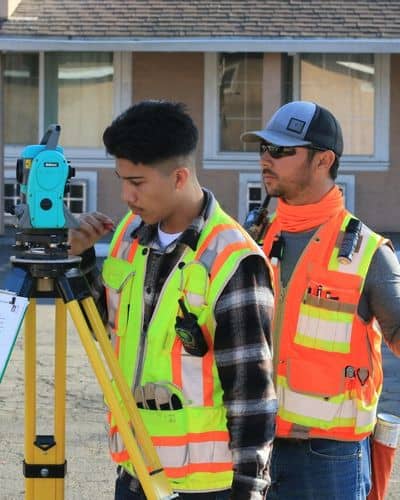
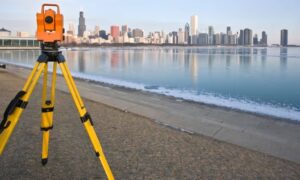
Surveyors rely on measurements, not assumptions. After a storm, they focus on how the ground sits right now, not how it looked in the past.
They check the height of your home and compare it to the surrounding ground. They also look at areas where water could enter, such as lower openings or attached spaces.
The goal is simple. Confirm whether your current conditions match your existing records.
That way, you are not relying on outdated information when making decisions.
A familiar situation many homeowners face
Picture this. A homeowner in Oklahoma City sees water collect along the side of the house after a storm. It never did that before.
The home stayed dry, so there is no damage to fix. Still, the change feels hard to ignore. The owner plans to sell within the next year, so uncertainty is the last thing they want.
They decide to update their elevation certificate.
The results show the home still sits in a safe position. That single step removes doubt and makes future conversations easier.
No stress, no guessing, just clear answers.
When it is reasonable to leave things as they are
Not every storm leads to action. Some properties handle heavy rain the same way they always have.
If water patterns look unchanged and you have no plans that require updated records, your current certificate may still be fine.
There is no need to rush into something just because a storm passed through.
The key is paying attention to what actually changed, not reacting out of fear.
Looking at your property with a clearer mindset
After severe storms, it is easy to jump to conclusions. Some homeowners worry too much, while others ignore small warning signs.
A better approach is to stay observant and ask the right question.
Did anything change enough to check?
If the answer feels like yes, getting updated information can save you from bigger concerns later.
In Oklahoma City, storms will keep coming. Knowing where your property stands helps you stay one step ahead without overthinking every rainfall.