An ALTA title survey can show a billboard easement, but only when the recorded rights are described well enough for the surveyor to place them on the map. A billboard sitting on a commercial lot can point to a deeper property interest than the pole and panel suggest. This matters most when someone is buying or planning around commercial property, where a sign along a busy road may carry rights that reach across part of the land. Here is what the survey can and can’t tell you.
A Billboard Right Can Extend Beyond the Sign’s Footprint
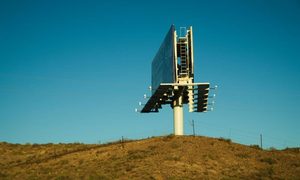
The physical billboard and the legal right behind it are two different things. The structure might take up a small square of ground. The recorded right that put it there can cover much more.
A recorded billboard agreement, sometimes called an outdoor advertising easement, is often written into the land records. Depending on how it reads, it can grant the sign owner rights over more than the spot under the poles. Those rights may involve where the sign sits, how it gets maintained, how someone reaches it or other use of a portion of the property.
So the sign you see doesn’t reveal the size of the interest tied to it. A small structure can sit on top of a much larger right. That gap between what’s visible and what’s recorded is the whole reason billboard property rights deserve a close look.
Where the Billboard Interest Falls on the Survey
An ALTA title survey can plot a billboard easement when the title evidence describes it well enough to locate. The surveyor works from the recorded documents supplied in the title work. If the document fixes a location, the survey can show where the right sits and how it relates to the rest of the parcel.
On the drawing, that treatment can include a few things:
- The location of a recorded easement or servitude tied to the sign
- How that area relates to the surveyed boundary
- The record information for the document that created the right
- Whether the document gives enough detail to place the right on the ground
The ALTA/NSPS standards, updated for 2026, set out how a surveyor reports these matters. An identified easement can be shown on the map, reported as unable to be located from the record, noted as not affecting the property, or handled under other set categories. That keeps the survey honest about what it can prove.
An ALTA title survey doesn’t find every billboard agreement on its own. What the surveyor draws depends on the title evidence handed over and on whether the right can be located from it.
When a Billboard Agreement Is Hard to Put on a Map
Some billboard rights can’t be pinned to an exact spot on the ground. This shows up with older agreements or ones written in broad language. The document may clearly create a right without saying precisely where that right lives on the land.
When that happens, the surveyor can still note the recorded matter on the survey. The map can identify the document while stating that its location can’t be determined from the available record. The surveyor is handling it correctly. The record simply never tied the right to a spot.
This lines up with the ALTA/NSPS approach. A survey shouldn’t draw a clean line for a right the record left vague. Marking the location as unknown from the record is more accurate than guessing at one.
Why Corridor Buyers Should Compare the Survey With the Title Evidence
A buyer looking at commercial property along a busy corridor should read the survey and the title evidence side by side. A billboard right might touch the exact part of the land someone plans to build on or use later. Reading only one source can hide that.
The two sources do different jobs. The title evidence supplies the recorded documents and the legal details behind them. A commercial property survey reads the land and gives the surveyor’s treatment of matters that can be located or otherwise reported under the standards.
Legal reading of those documents belongs to a title or real estate professional. The survey shows the ground and what can be plotted. It doesn’t decide what the billboard right means or how strong it is. Keeping those roles apart keeps everyone on solid footing.
A Billboard on Private Land Is Not the Same as a Highway Right-of-Way Sign
A billboard interest shown on a survey is a property matter, not a permit. Oklahoma regulates outdoor advertising along certain highways, and the Oklahoma Department of Transportation runs a dedicated Outdoor Advertising Control function. State materials also separate outdoor advertising on private property from signs placed in highway rights-of-way.
So a survey that shows a private-property billboard easement tells you about a recorded land interest. It doesn’t tell you the sign is permitted, compliant or approved under Oklahoma’s outdoor advertising rules. Those are two separate questions.
That difference is easy to miss. A recorded right can exist on the land while the regulatory side sits with the state. A buyer who treats the survey as proof of sign approval could read far too much into it.
Frequently Asked Questions
Can an ALTA title survey show a billboard easement?
Yes, when the recorded easement or servitude is backed by the title evidence and can be located well enough to plot. The surveyor places it on the map and ties it to the record document. If the spot can’t be worked out from the record, the survey can report that limit instead of drawing a line it can’t support.
What if the billboard agreement does not give a clear location?
The surveyor may not be able to plot the exact spot. The ALTA/NSPS standards cover identified easements whose locations can’t be determined from the record. In that case the survey names the recorded matter and states that its position isn’t clear from the documents on hand.
Does seeing a billboard on a property prove there is a recorded billboard easement?
No. A sign standing on the land doesn’t by itself prove the legal nature or reach of the rights behind it. The title evidence and any related documents have to be reviewed before anyone can say what interest supports the billboard.